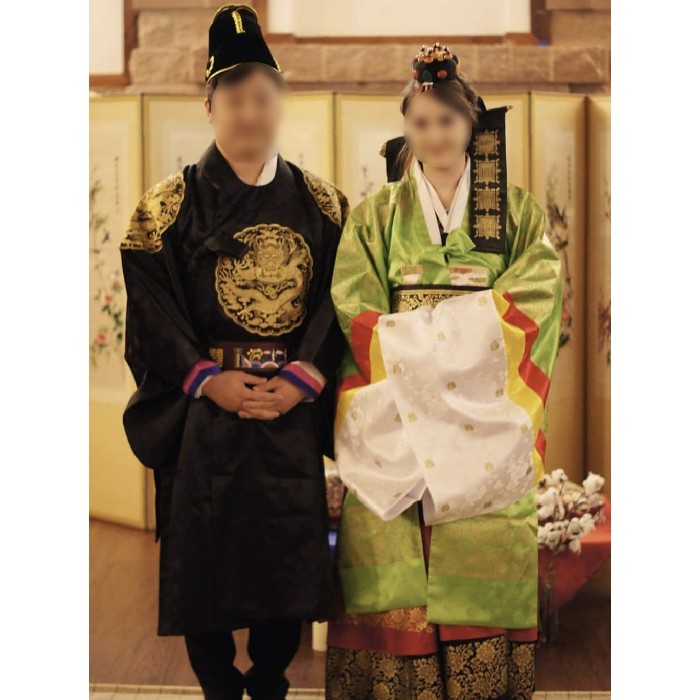
폐백 Pyebaek (Traditional Korean Wedding Ceremony)
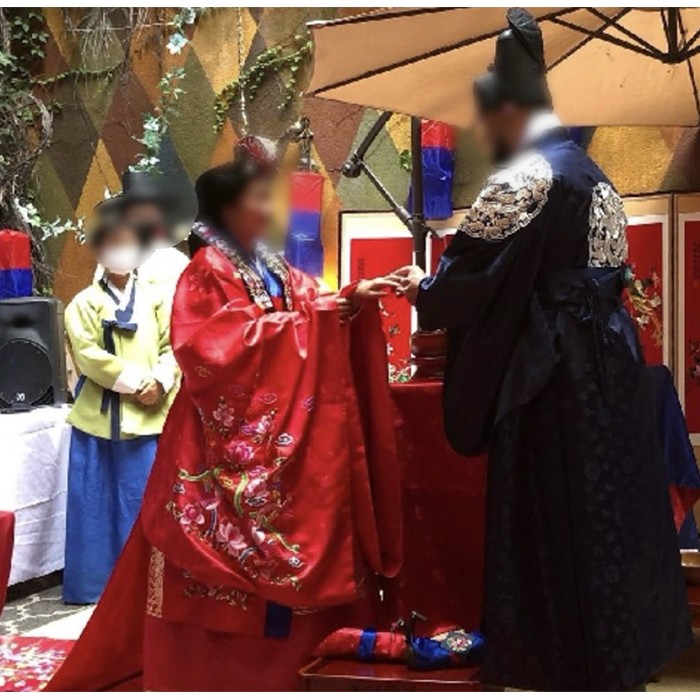
폐백(幣帛)은 한국 전통 혼례를 마친 후 진행되는 대표적인 전통 예식으로, 신랑과 신부가 양가 부모님과 집안 어른들께 감사와 존경의 마음을 전하는 의식입니다. 단순한 인사 예절을 넘어, 두 사람이 새로운 가족으로 받아들여지고 두 가문이 하나의 인연으로 이어짐을 상징하는 중요한 순간으로 여겨집니다.
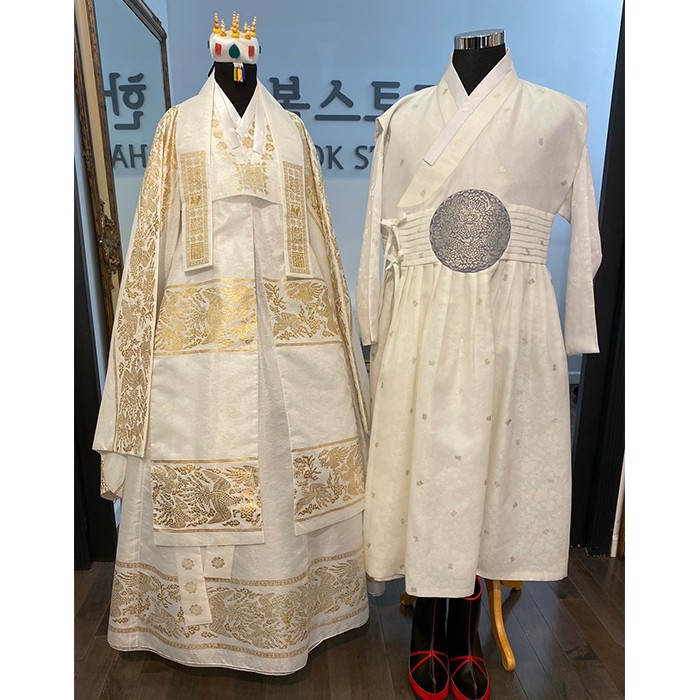
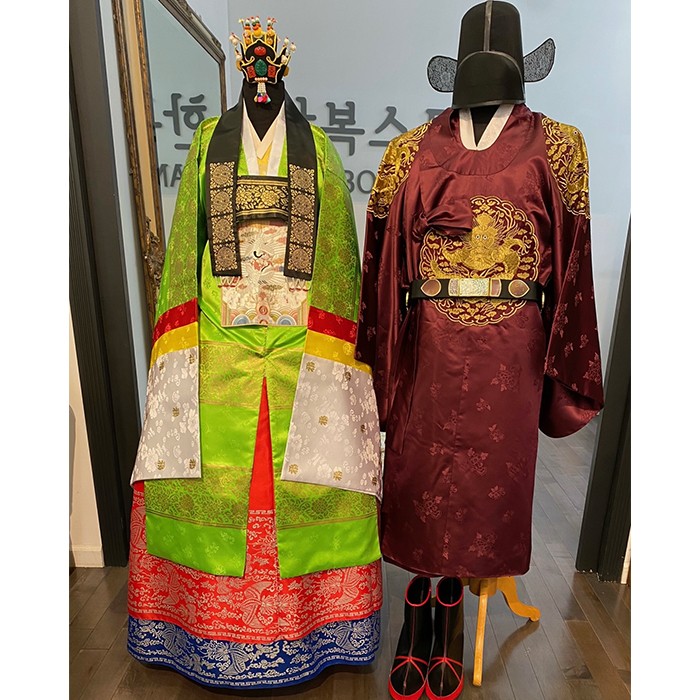
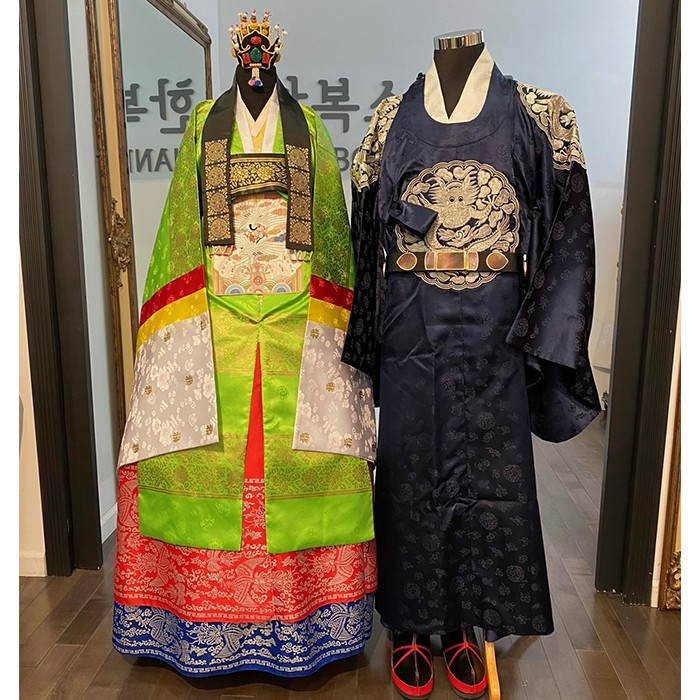
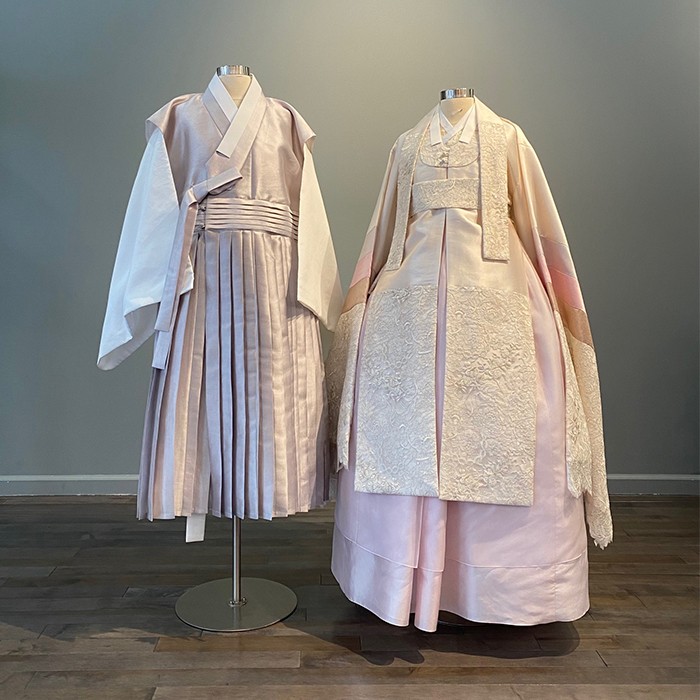
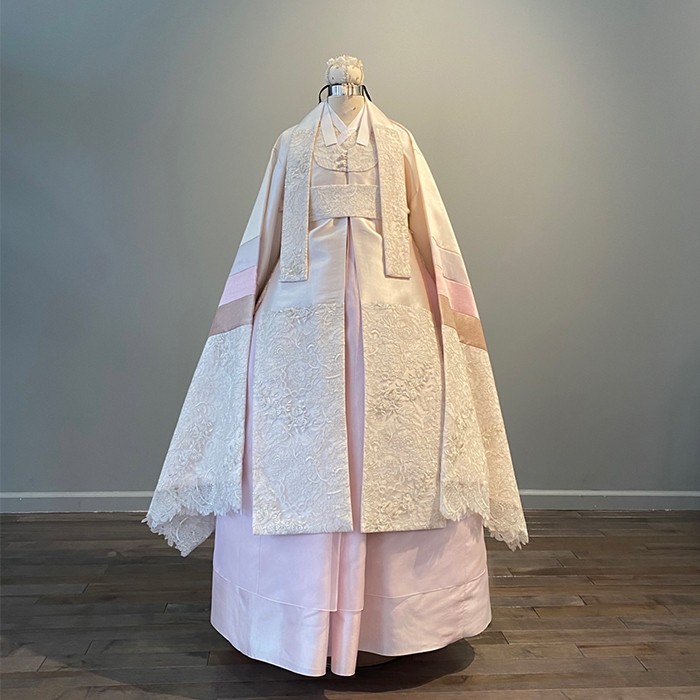
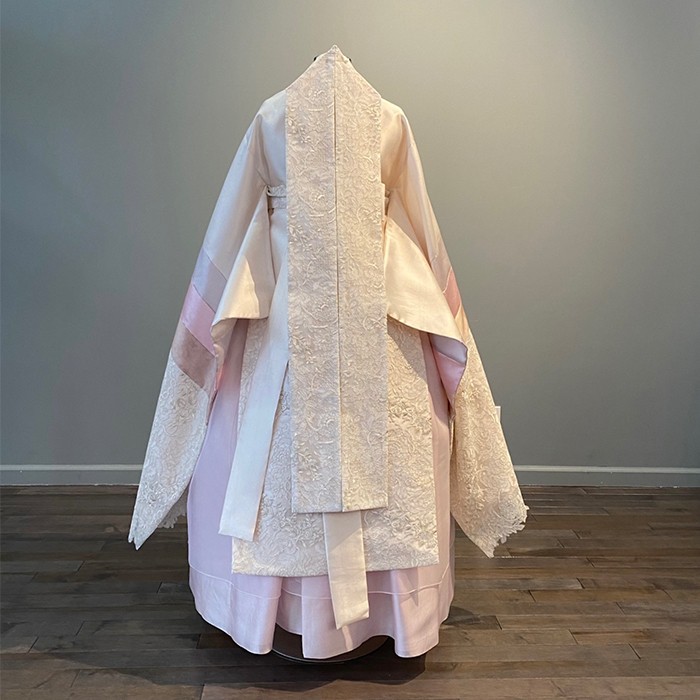
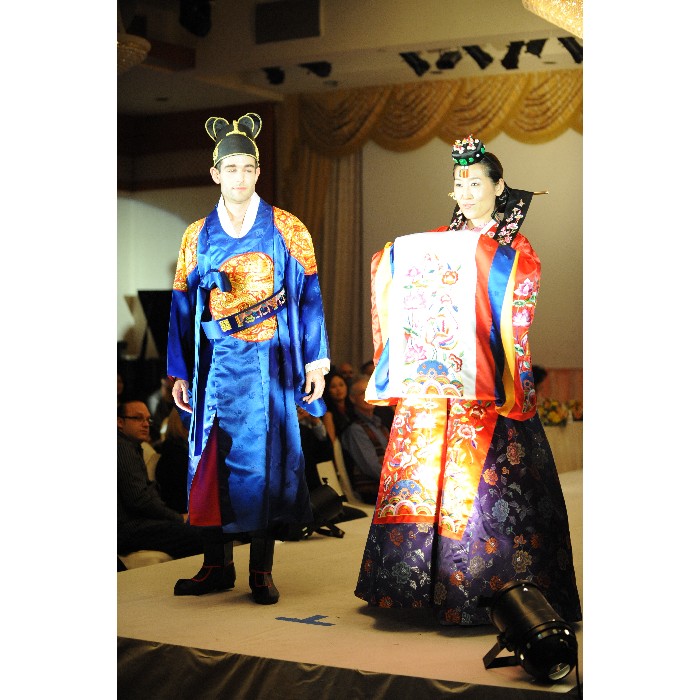
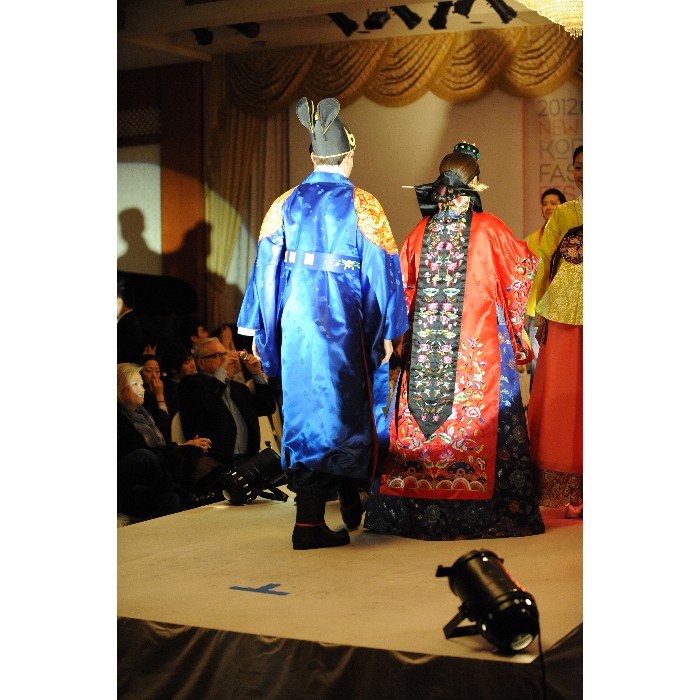
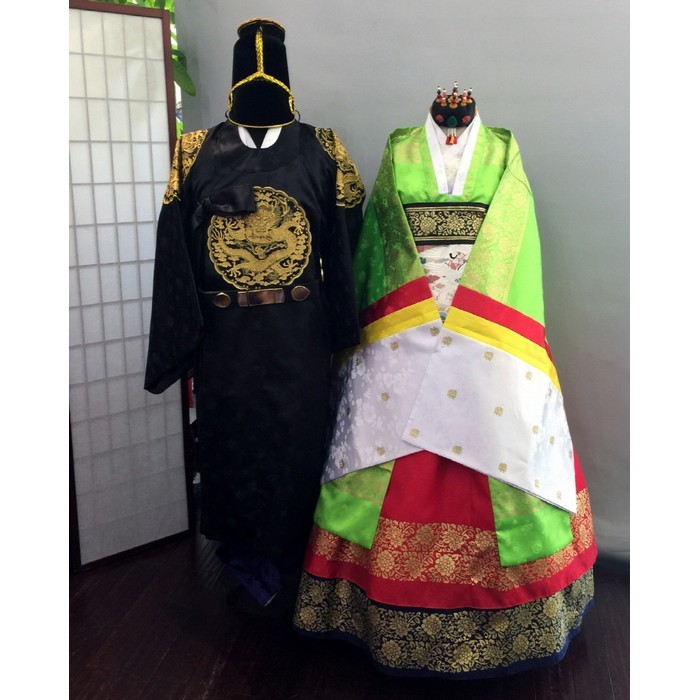
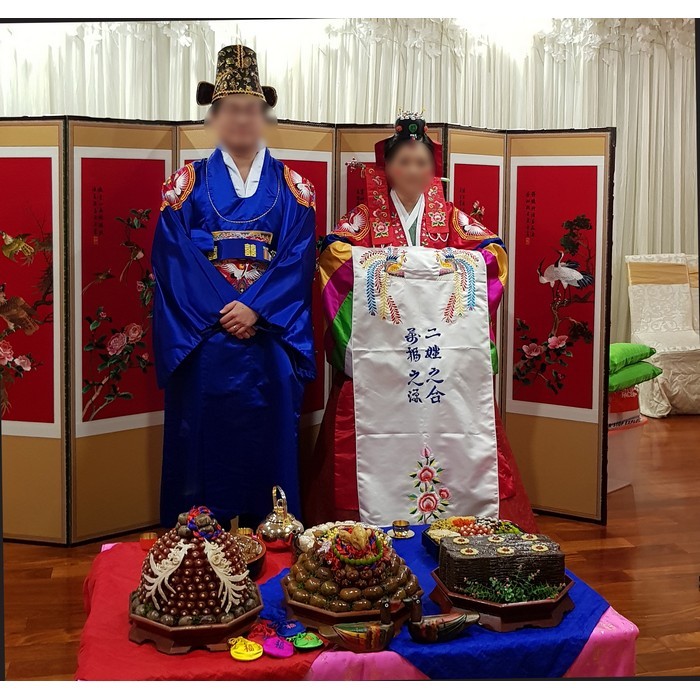
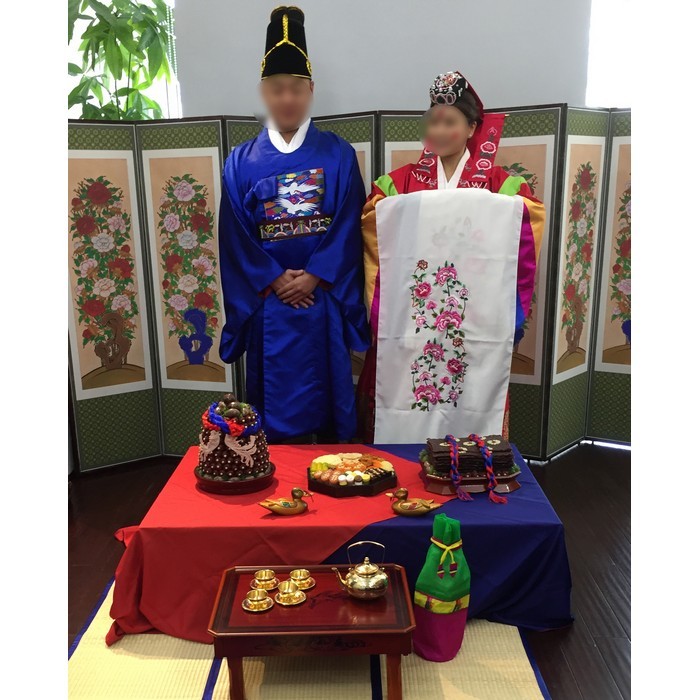
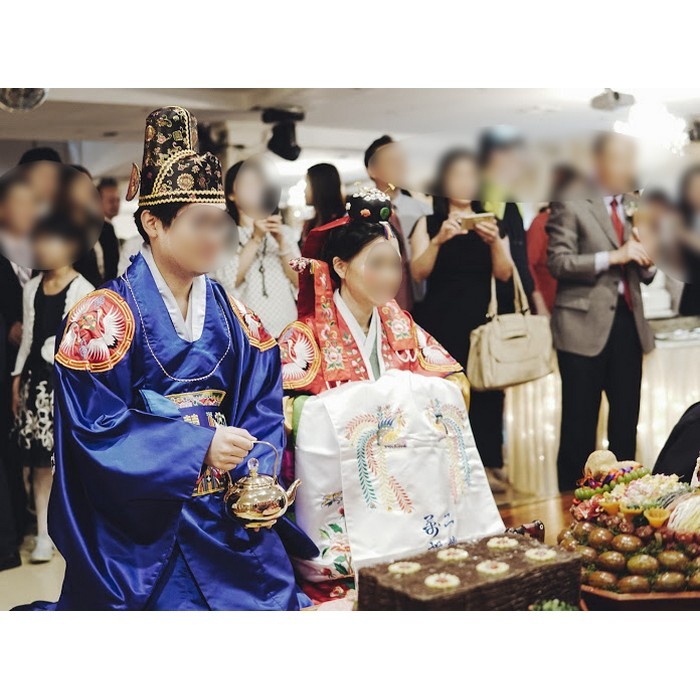
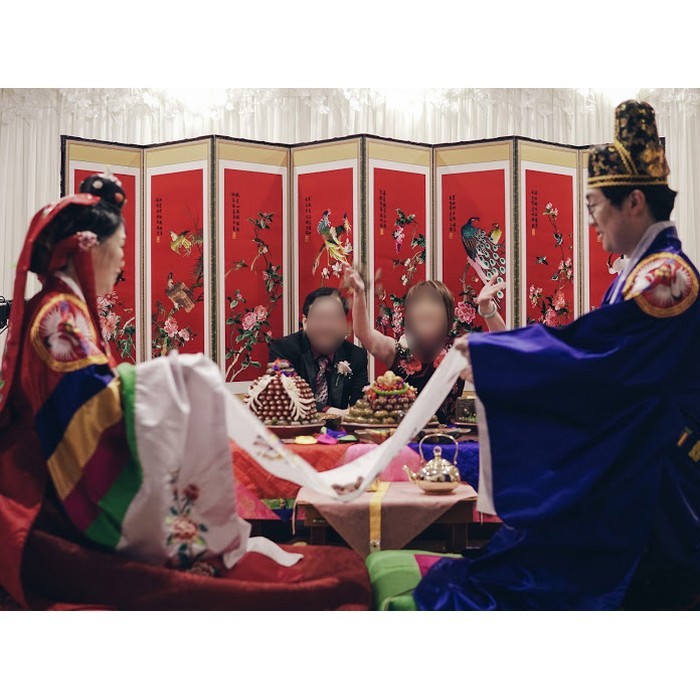
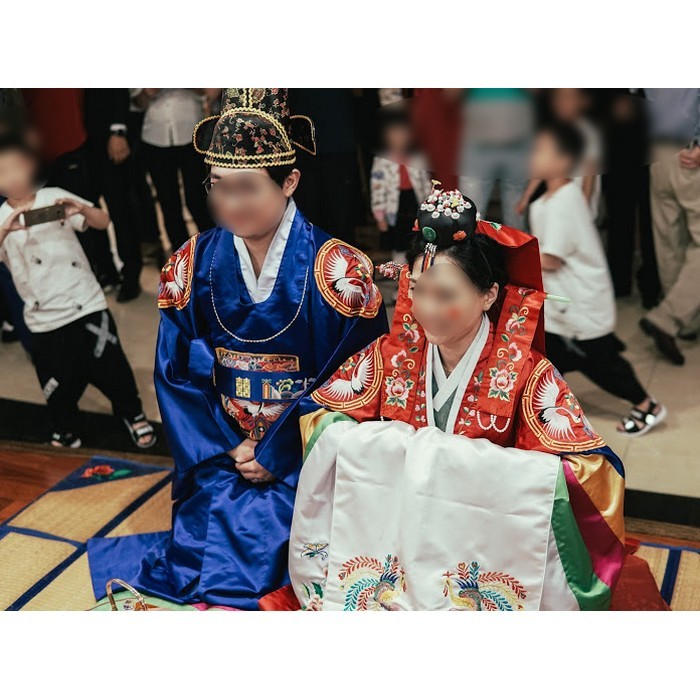
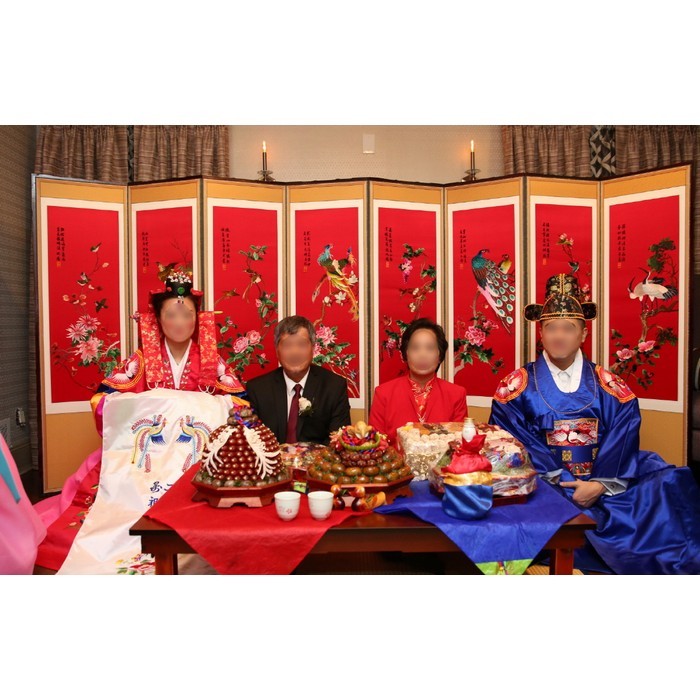
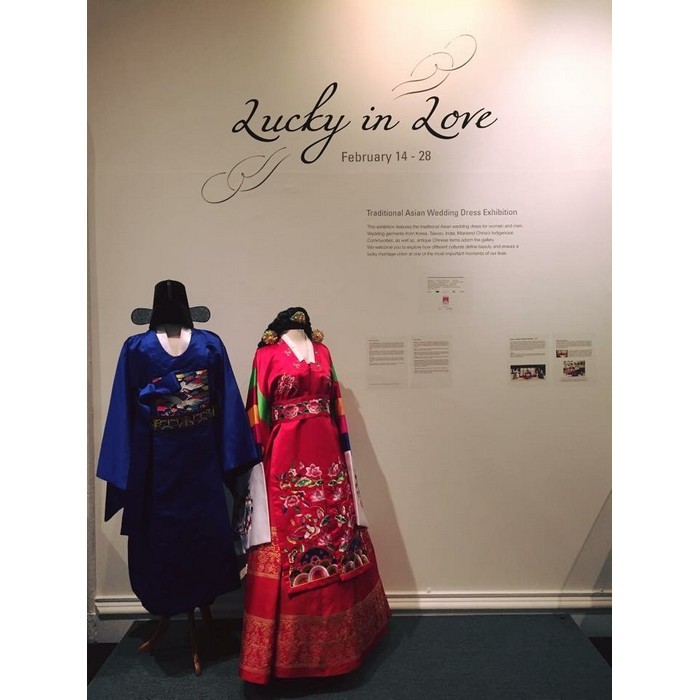
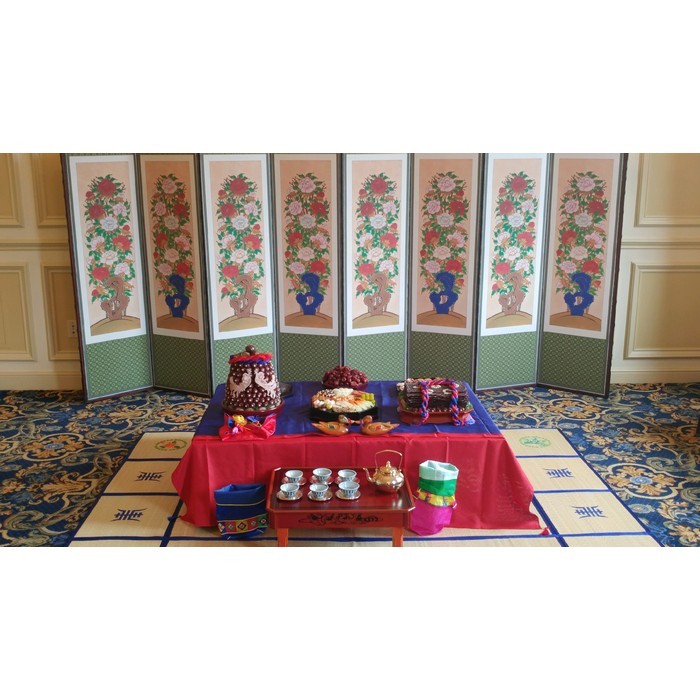
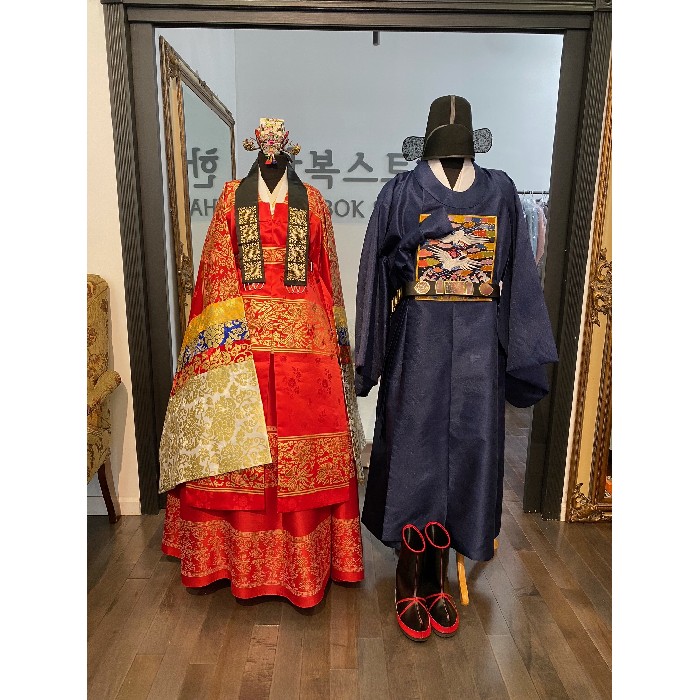
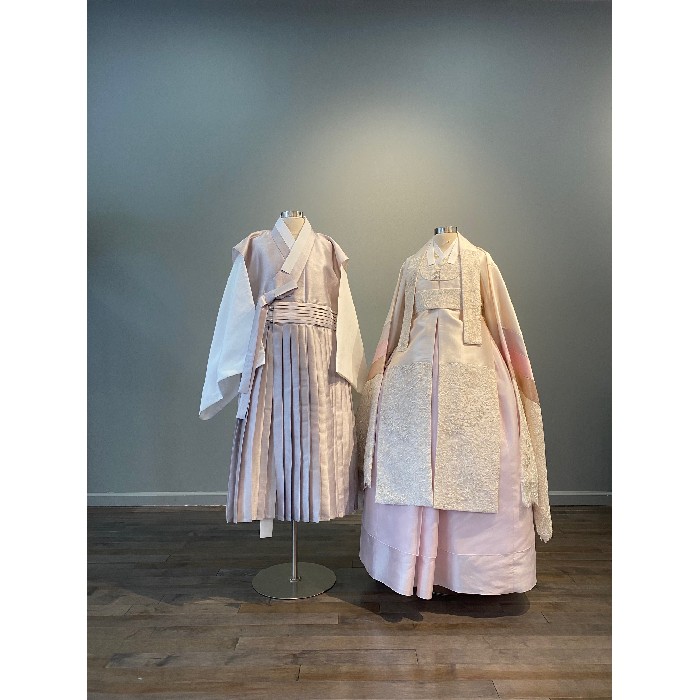
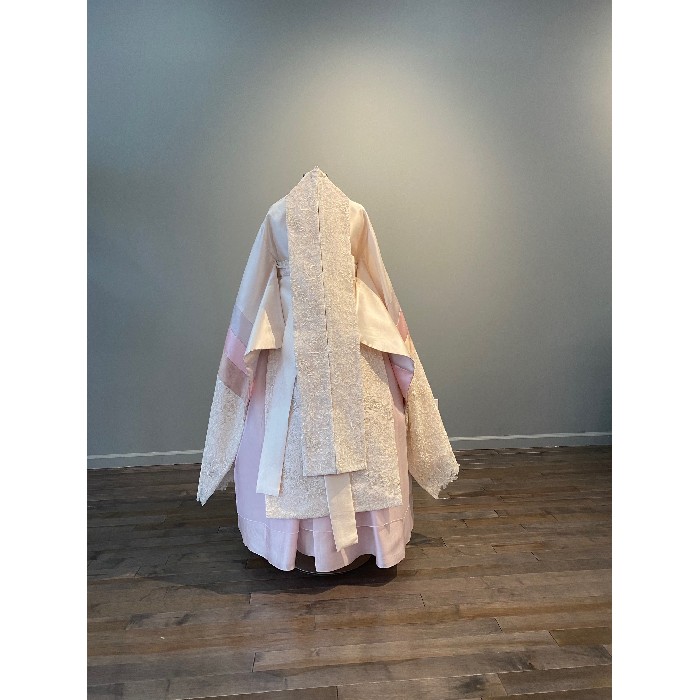
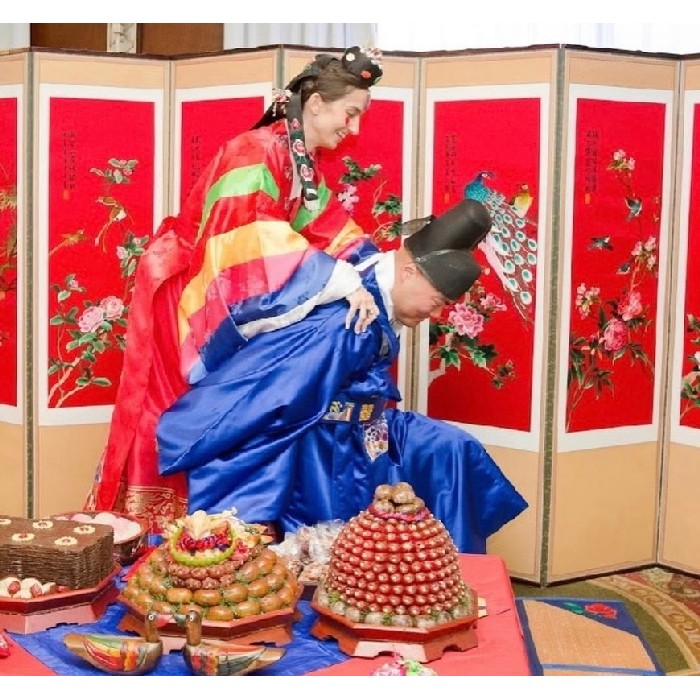
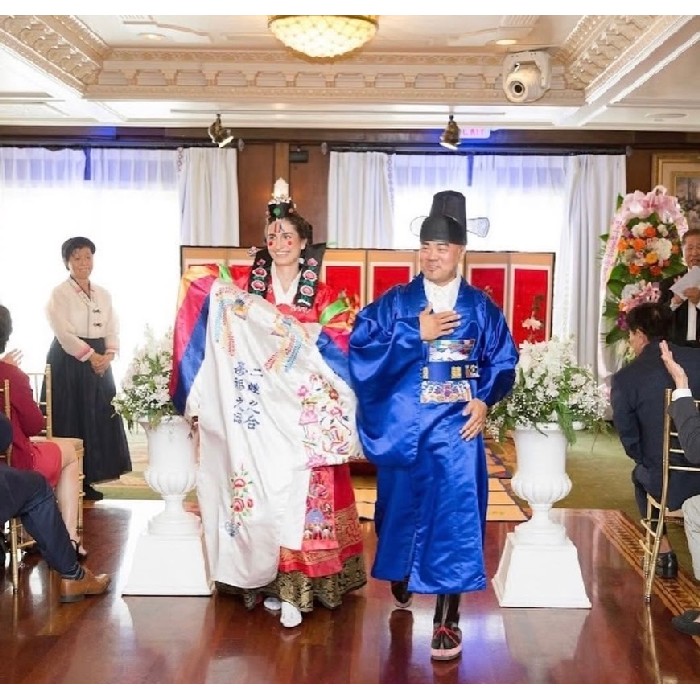
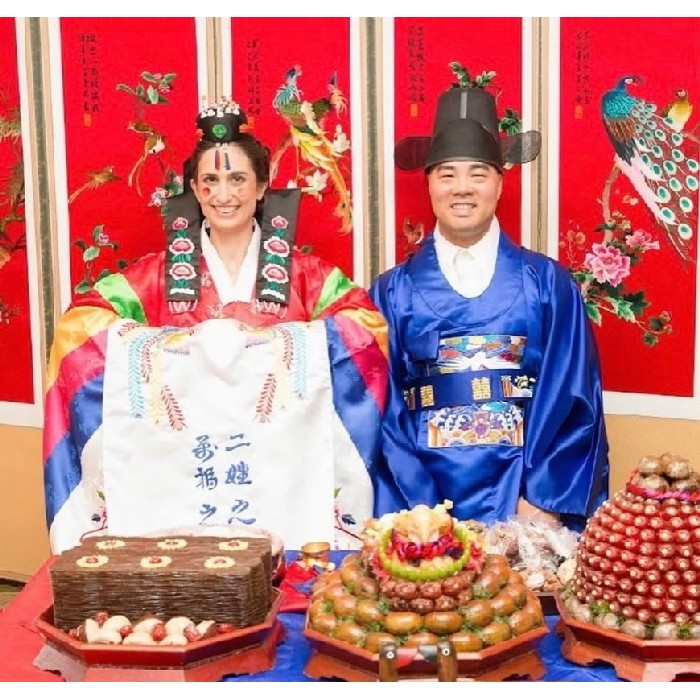
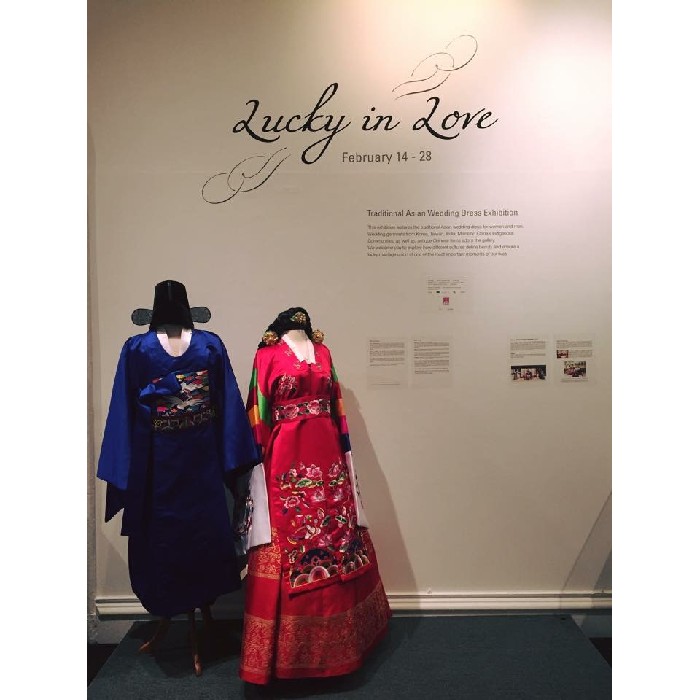
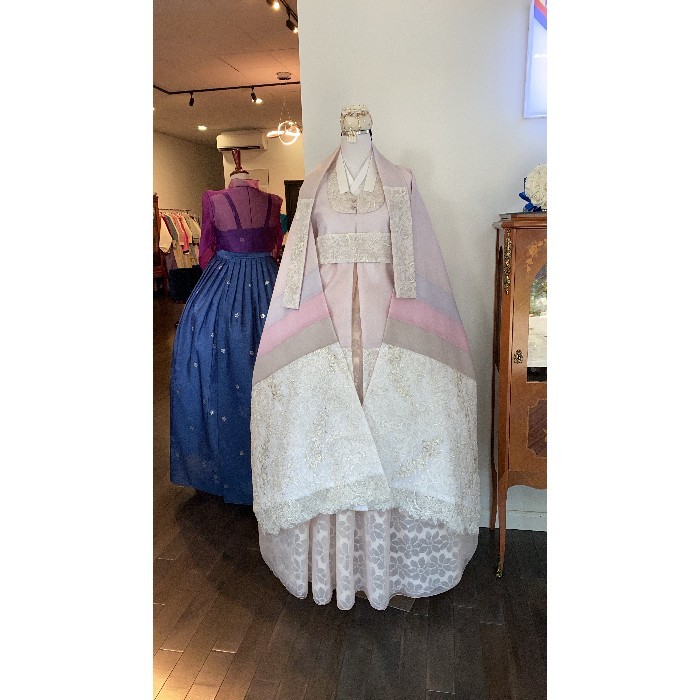
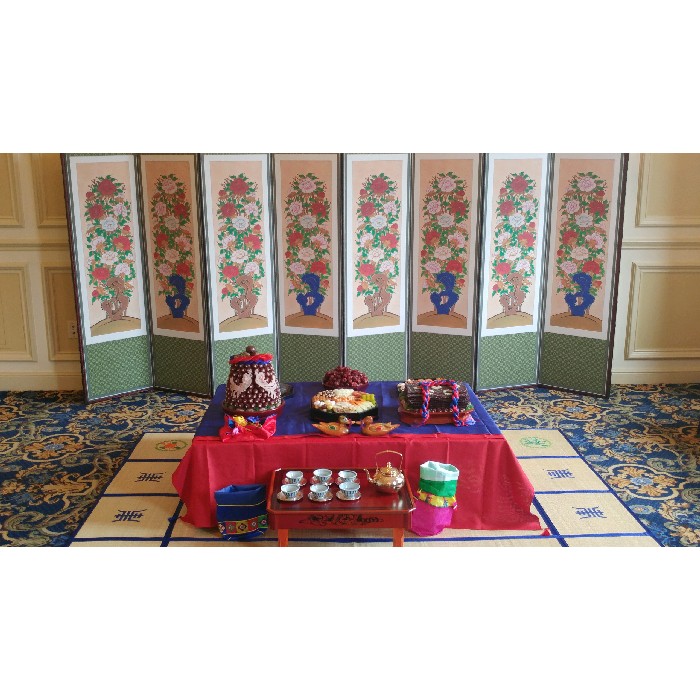
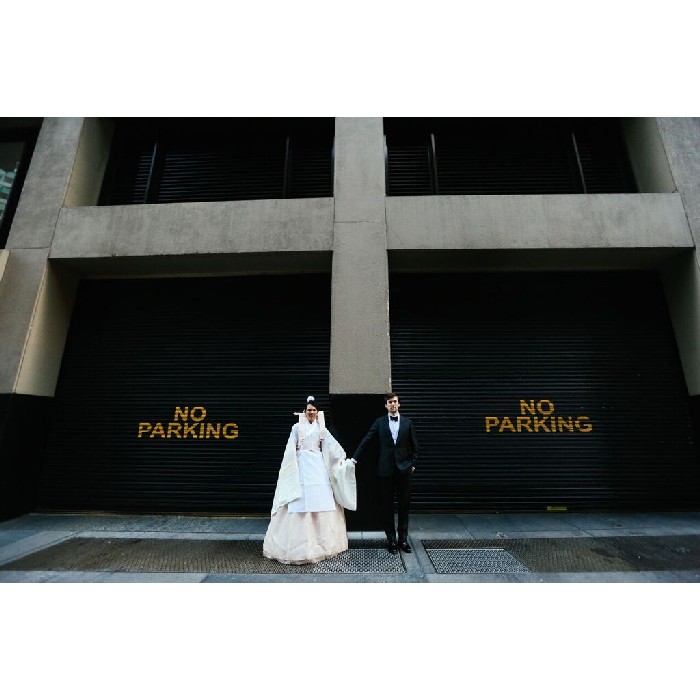
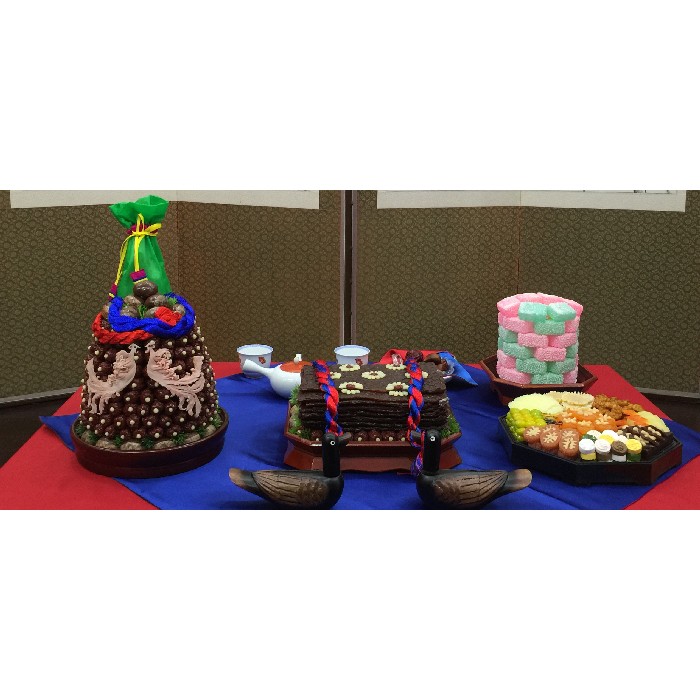
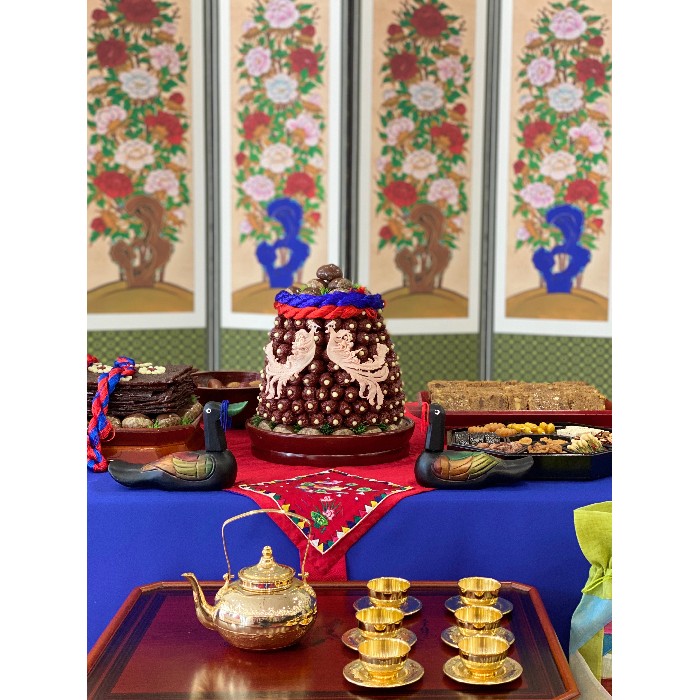
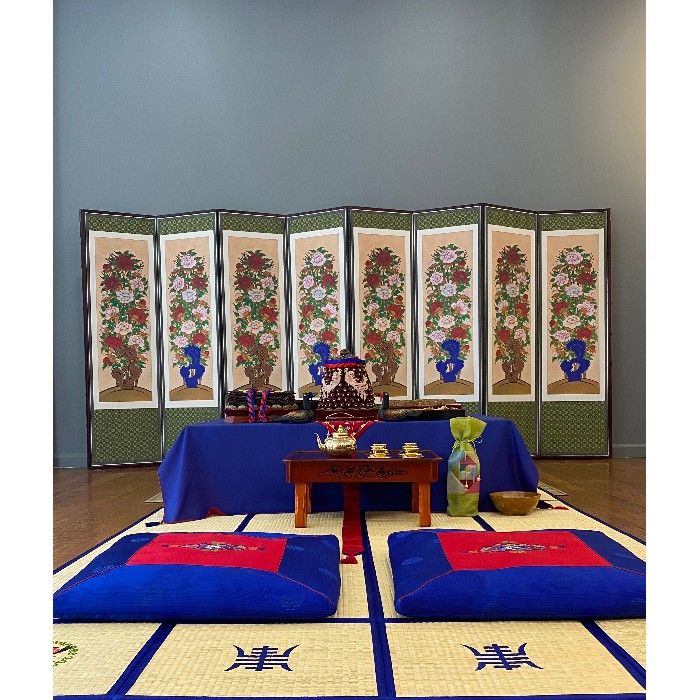
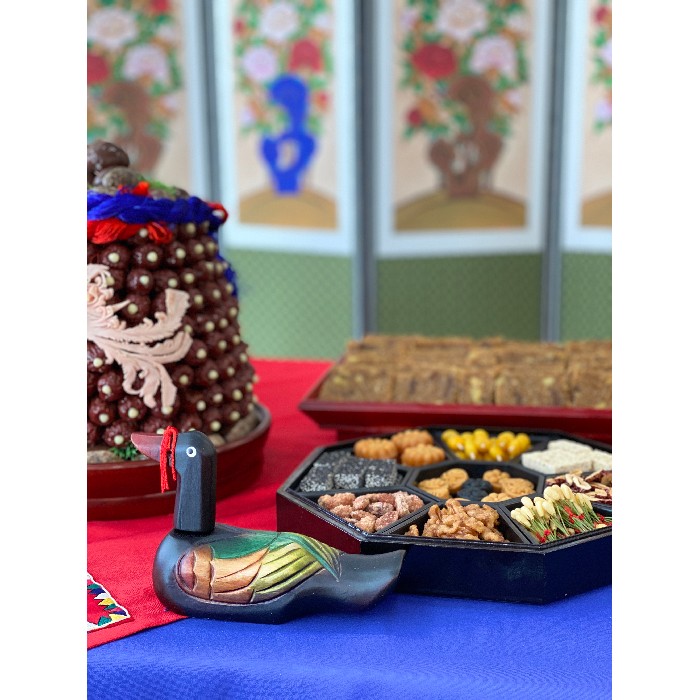
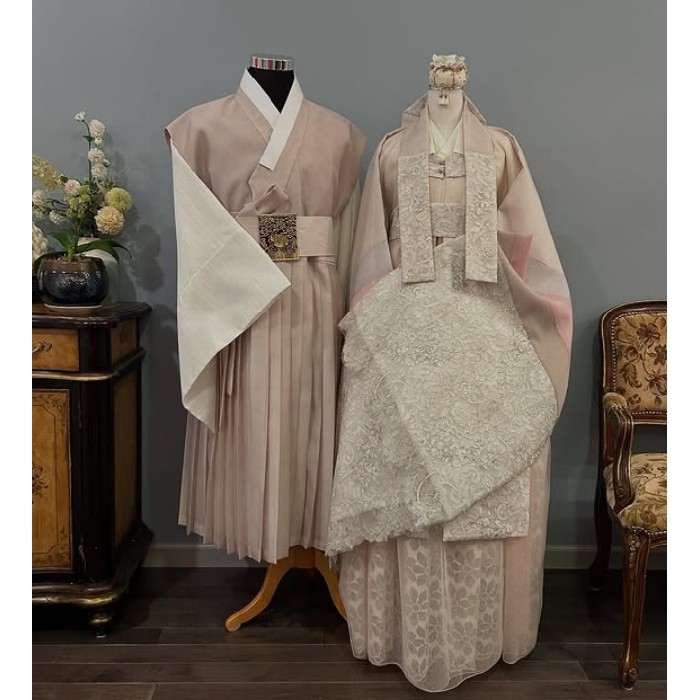
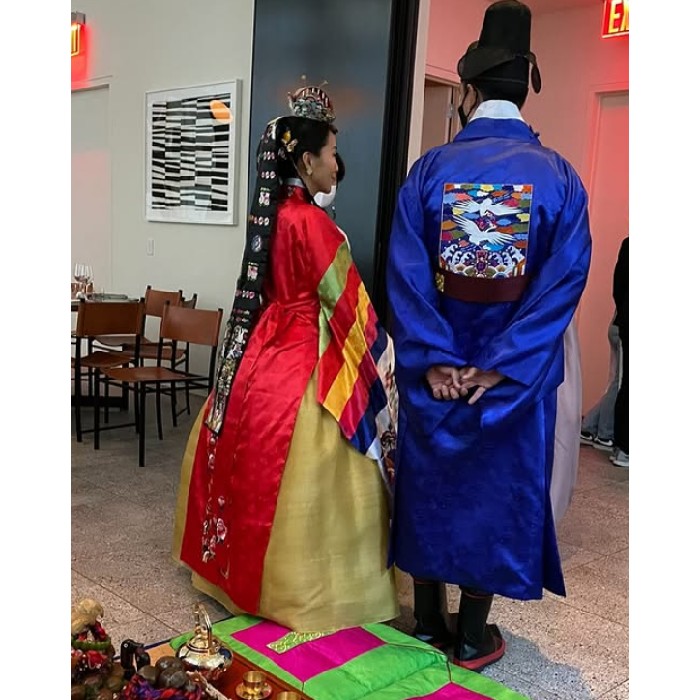
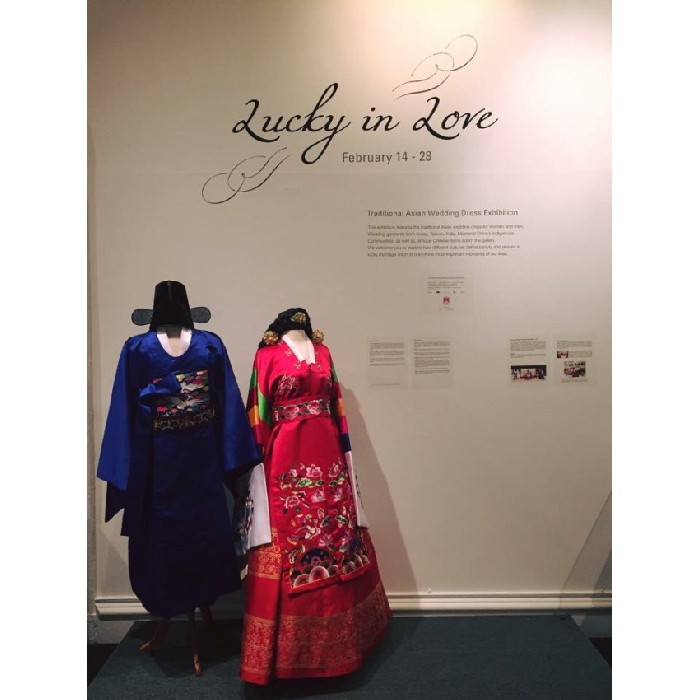
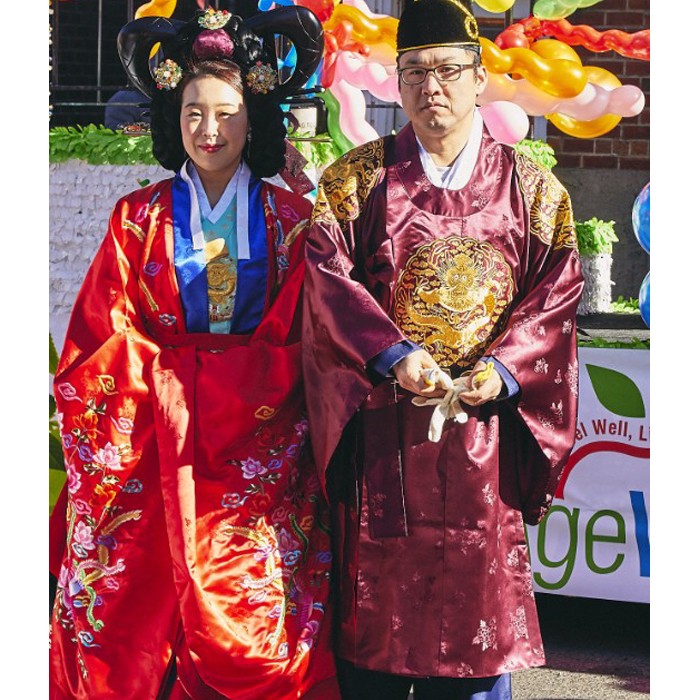
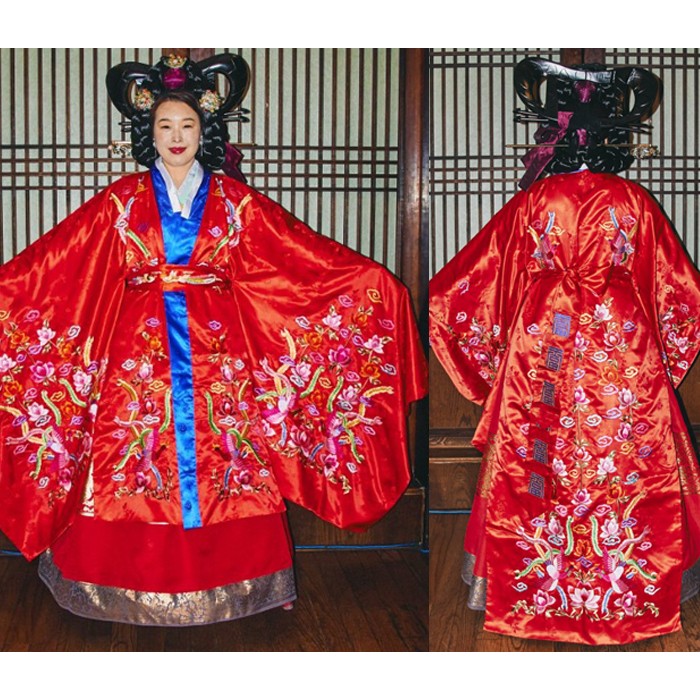
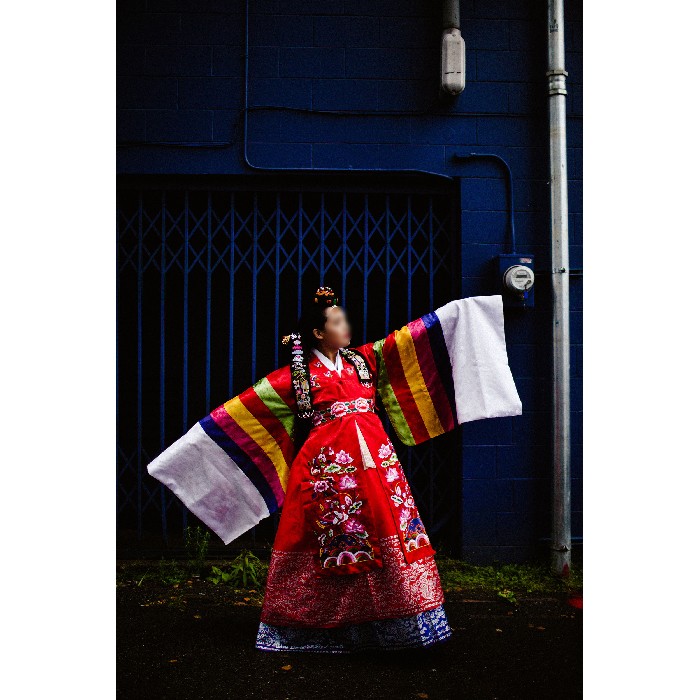
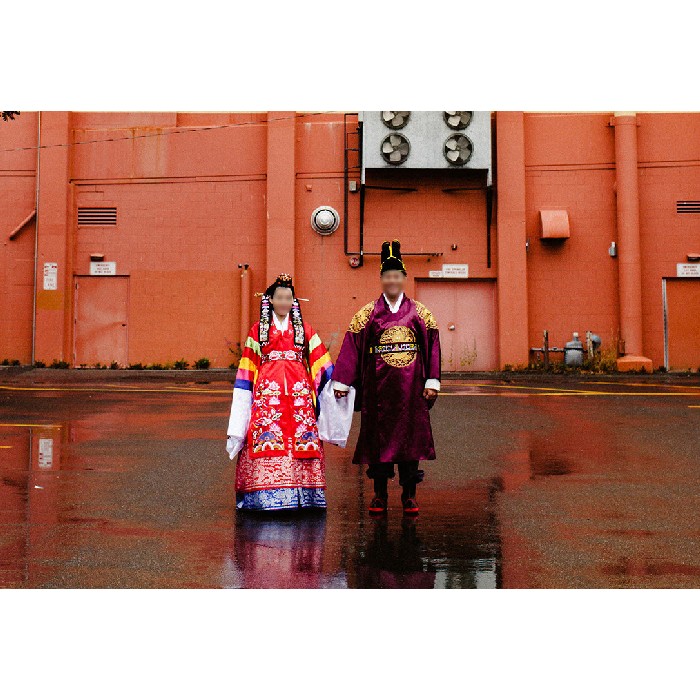
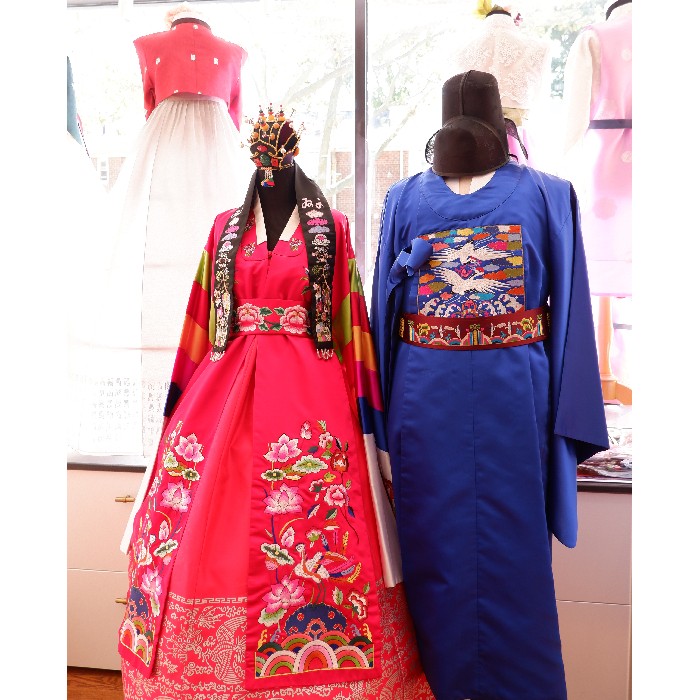
전통적으로 신부는 아름다운 한복을 차려입고, 신랑과 함께 폐백상 앞에서 부모님과 어른들께 큰절을 올립니다. 폐백상에는 대추, 밤, 한과, 술 등이 정성스럽게 올려지며, 각각 풍요와 행복, 건강, 그리고 자손의 번창을 기원하는 의미를 담고 있습니다.
특히 폐백에서 가장 상징적인 장면 중 하나는 부모님과 어른들이 신랑 신부에게 대추와 밤을 던져주는 의식입니다. 대추는 전통적으로 아들을, 밤은 딸을 상징하며, 자손의 번창과 가문의 번영을 기원하는 의미를 담고 있습니다. 또한 대추나무와 밤나무가 열매를 풍성하게 맺는 모습처럼, 부부가 건강하고 화목한 가정을 이루고 복된 삶을 살아가기를 바라는 축복의 뜻도 함께 담겨 있습니다. 신랑 신부가 두 손이나 치마로 대추와 밤을 받는 모습은 행복과 복을 받아들인다는 의미로 여겨집니다.
폐백은 단순한 전통 행사에 그치지 않고, 가족 간의 사랑과 존중, 그리고 세대를 이어가는 한국 고유의 가족 문화를 담아내는 뜻깊은 의식입니다. 부모님과 어른들은 신랑 신부에게 덕담과 축복을 전하며 새로운 출발을 응원하고, 신랑 신부는 감사의 마음을 담아 예를 갖춥니다.
오늘날의 폐백은 전통의 의미를 유지하면서도 현대적으로 재해석되어, 가족과 함께하는 특별한 추억이자 한국 문화의 아름다움을 경험할 수 있는 소중한 예식으로 이어지고 있습니다.
Pyebaek (폐백, 幣帛) is one of the most meaningful ceremonies in a traditional Korean wedding. Held after the wedding ceremony, it is a time when the bride and groom formally show their gratitude and respect to their parents and elders through traditional bows and family greetings. More than a simple custom, Pyebaek symbolizes the union of two families and the acceptance of the newlyweds into their extended family.
Traditionally, the bride and groom wear beautiful Korean hanbok and stand before a carefully prepared Pyebaek table filled with symbolic foods such as jujubes (dates), chestnuts, traditional sweets, and rice wine. Each item represents blessings for the couple’s future, including happiness, prosperity, harmony, and a long, healthy family life.
One of the most iconic moments of the ceremony is when parents and elders toss jujubes and chestnuts toward the couple. In Korean tradition, jujubes symbolize sons and chestnuts symbolize daughters, representing wishes for many children, family prosperity, and future generations. The abundant harvest of jujube and chestnut trees also symbolizes fertility, abundance, and a flourishing family. As the bride and groom catch the fruits with their hands or wedding skirt, they symbolically receive blessings, happiness, and good fortune for their marriage.
Pyebaek is also a heartfelt moment for families to share words of wisdom, encouragement, and blessings with the newlyweds. Through this ceremony, the values of filial respect, gratitude, and strong family bonds — deeply rooted in Korean culture — are beautifully expressed.
Today, Pyebaek continues to preserve its traditional meaning while evolving into a cherished cultural experience that allows families and guests to celebrate Korean heritage and create lasting memories together.